Imagine arriving at a hotel before its advertised check-in time. You are prepared to wait, but you need to decide whether to stay nearby, go to a meeting or make another plan. “We are working on it” gives you very little to work with.
Early hotel arrivals create an information problem before they create a service decision. Reception may be unable to confirm a room, yet still be able to explain the request, the next check and the route for an update. Those are useful things to know.
This guide examines the conversation about early hotel arrivals. It does not prescribe room-release decisions, fees or eligibility. The examples are hypothetical, and the property’s actual policies determine what staff can offer. The aim is a clear account of uncertainty that a guest can use.
What early hotel arrivals need to decide
The opening question might sound like “Is my room ready?” The practical question behind it can be more specific. The guest may need to know whether to remain available, how to contact reception later or whether the next update depends on a particular check.
For early hotel arrivals, ask a brief, open question before explaining the process. “What would help you plan the next part of your day?” can reveal the information the guest actually needs. It does not require staff to collect a full itinerary or make assumptions from the booking.
The GOV.UK guide to user needs offers a relevant starting discipline: understand what someone needs to accomplish. The hotel application here is our own. A traveller trying to plan an afternoon needs an answer shaped around that decision, even while the room question remains open.
Keep the enquiry proportionate. If the guest simply wants to know how to check back, explain that route. Do not turn a short arrival conversation into an interview. Our broader guide to making hotel guests feel welcome provides context for the interaction; the task here is to make the next step understandable.
Establish what reception can confirm about early hotel arrivals
Before choosing the words, identify the current position. Has the request merely been received? Has somebody checked it? Is an answer expected from another role? Has an authorised decision been made? A confident tone should follow confirmed information.
As a company-specific example, Hilton’s early check-in help page says availability varies and is not guaranteed. That distinction between a request and an approved arrangement matters. It does not establish another hotel’s policy or justify quoting a standard wait.

For early hotel arrivals, the useful record is the latest verified position and its source. A colleague’s impression from earlier in the day is different from a current confirmation. If the position has changed, make sure the team can identify which version applies.
Guest communication and backstage coordination have different jobs. This article deals with what reception can explain. The property still needs its own route for confirming readiness, with the appropriate roles and authority. Avoid filling a gap in that route with an estimate that nobody has agreed.
Three responses, and the decisions they leave behind
The following responses about early hotel arrivals are original editorial examples, not quotations from real hotel staff. Each answers the same hypothetical question about whether a room can be made available before the stated check-in time.
Response one: reassurance without a next step
“It should be fine. We are working on it.”
The guest may hear optimism, but cannot identify what has been decided. The phrase might also be repeated by the next colleague without any new information. Warmth is useful; it becomes more useful when connected to an action or an explanation.
A supervisor reviewing this response should ask what “working on it” means. If an availability check is pending, say that. If no check has yet been requested, the team has a different piece of work to do.
Response two: an unsupported time promise
“Your room will be ready shortly.”
“Shortly” can sound like a commitment while leaving both sides to choose its meaning. If the team has no confirmed basis for the statement, replacing it with a precise number would only make the unsupported promise more specific.
Early hotel arrivals do not all require a time estimate. Sometimes the more honest and useful answer identifies what needs checking and how the guest will receive the result. Where an authorised estimate exists, make its scope clear and keep it current.
Response three: a clear conditional update
“I have recorded your request and am checking whether it can be accommodated. I cannot confirm that yet. Let us agree how you would like to receive the next update.”
This response states the position and opens a practical choice. It still needs operational backing: somebody must own the check and the update route must be one the property can actually use. Words alone do not complete that work.
The point is not to teach every colleague a fixed script. Use the comparison of responses to early hotel arrivals to discuss which parts of an answer are confirmed, which are conditional and which create a new task. Then let staff explain the position naturally.

Make updates useful for early hotel arrivals
An update point answers “What happens next?” It can be linked to an event, such as receiving a decision from the responsible team, rather than an invented delivery time. If the property agrees a time to check back, distinguish that check from a promise that the room will be available.
Name the owner in the internal record. The guest does not need to understand the organisation chart, but the team needs to know who will act. Include what the guest has already been told so a second colleague does not begin the conversation again from a different assumption.
Choose an authorised communication route with the guest. Do not assume a particular app, message service or phone arrangement is available. Explain any practical step the guest needs to take, using the property’s current instructions.
A useful update about early hotel arrivals can also report that the position remains unconfirmed. Explain what has been checked and what remains outstanding. Repeating the original reassurance without new context leaves the guest with the same planning problem.
For early hotel arrivals, check whether the agreed route still suits the guest when their plans change. A person who was waiting nearby may now be unavailable to answer. Staff need a locally agreed way to keep the item open and continue the update, rather than treating an unanswered contact attempt as the end of the enquiry. Keep that distinction visible to the next colleague.
Keep the conversation about early hotel arrivals connected to the work
The Digital NSW service-blueprint resource links a user’s experience with supporting work. Here, that suggests examining the gap between an internal answer arriving and the guest actually hearing it.
Walk through that gap with reception. Who notices the reply? Who interprets it? Does the agreed communication route still apply? What happens if the person who began the conversation has moved to another task? These are process questions, rather than reasons to add more reassuring language.
Keep the guest-facing account short. The internal steps may be complex, but the explanation should help the person decide what to do next. A detailed description of departmental workload is not automatically useful to someone trying to plan the rest of a day.
Likewise, describe only options the property has confirmed. Do not imply that every hotel can store belongings, provide a workspace or offer another facility while a guest waits. If an option is available locally, staff can explain it accurately under the property’s own arrangements.
A hypothetical conversation from request to update
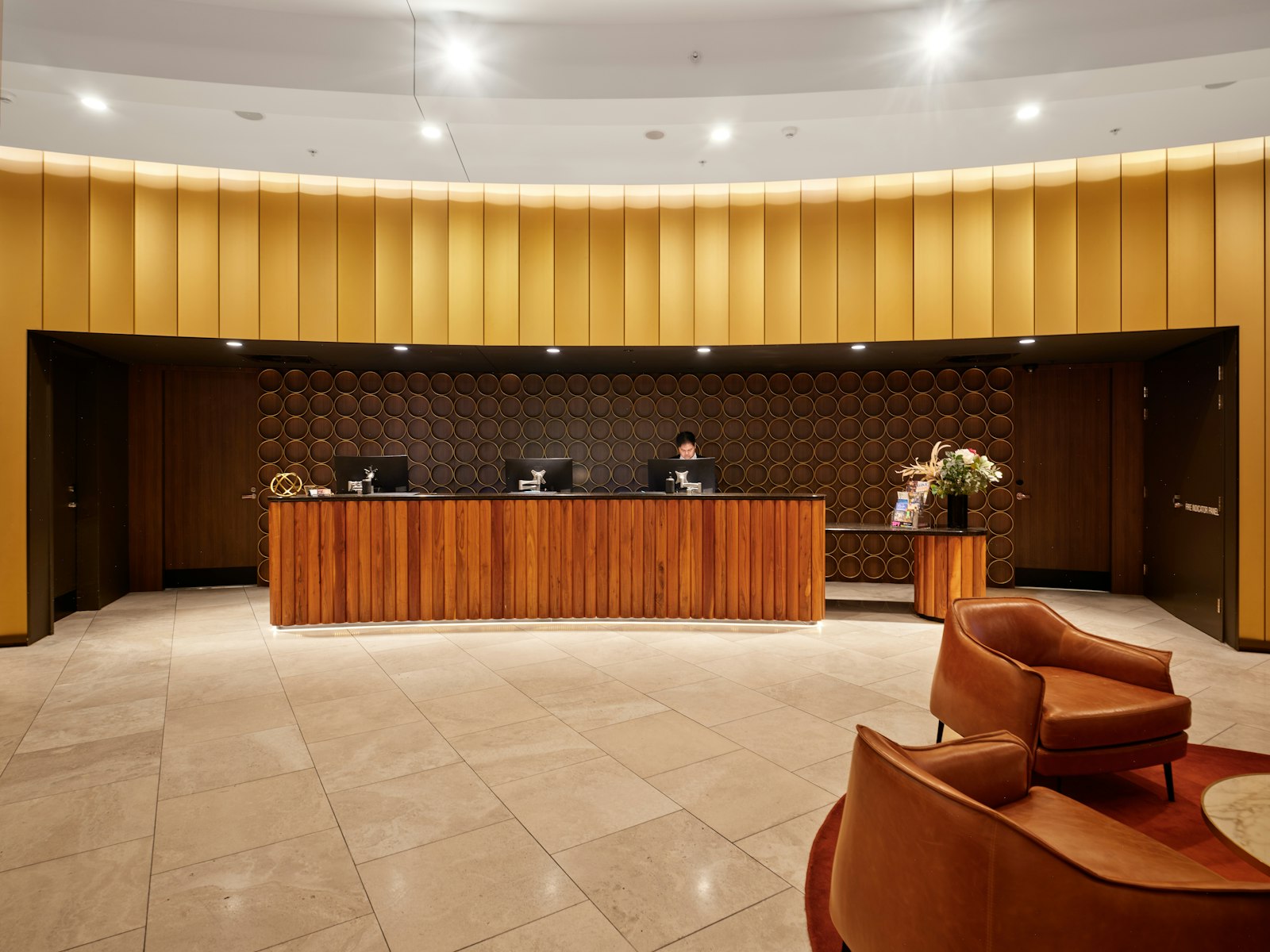
Consider an unbranded hotel where a guest arrives before the stated check-in time and asks about earlier access. Reception has not yet received an availability decision. The guest wants to leave the property for an appointment but does not know how to check the position later.
The colleague first establishes what the guest needs to plan. They explain that the request is being checked and that approval is unconfirmed. They then agree an update route that the property supports. The internal note identifies the checking role and records the wording already used.
If another colleague takes over, that person can continue from the same position. They can see that an enquiry is open, rather than assuming early access has been promised. When an answer arrives, they can communicate the actual decision through the agreed route.
If no answer has arrived at the review point, the guest update should say what remains pending and who will check next. In this fictional conversation about early hotel arrivals, the useful outcome is a clear next step: reception and the guest share the same understanding of the request, without treating a check-in enquiry as an approved room arrangement.
Review messages about early hotel arrivals as a team
To improve communication about early hotel arrivals, select a few existing message patterns and read them without the surrounding conversation. Ask a colleague what they would believe had been promised. Compare that interpretation with what the property can verify.
Look for ambiguous words and missing ownership before reaching for a longer script. Decide which details staff need at hand and which questions must be referred. Test the revised explanation in a clearly labelled role-play, using no real guest information.
A broader guest-experience plan can connect this moment to the rest of the stay. For this particular interaction, the standard to discuss is straightforward: could the guest explain the current position and their next step after hearing the answer?
Early hotel arrivals will sometimes remain uncertain. A clear communication plan makes that uncertainty usable. It gives reception a truthful position to explain and gives the guest a practical way to continue the conversation.
Sources
- Hilton: Early check-in and late check-out — a company-specific policy example, checked 1 November 2026.
- GOV.UK: Learning about users and their needs — general service-design guidance.
- Digital NSW: Service blueprint — general method reference.
Lead image: Zoshua Colah / Unsplash.