This 2021 guide to weekend getaways from Chennai profiles five destinations: Mahabalipuram, Pondicherry, Pulicat, Vellore and Yelagiri. Mahabalipuram’s section covers monuments and the beach, while Vellore’s focuses on the city’s fort and heritage. Pondicherry’s profile introduces French influence and Auroville; Pulicat’s looks at the lake. Yelagiri closes the list with a hill-station setting, giving the archive a mix of coastal, historic and upland ideas to compare.
Use the profiles to choose which destination to explore further, then check current visitor information before arranging a trip. The descriptions and travel estimates are presented in their original 2021 archive context. Confirm current opening hours, access arrangements, transport options and journey times with the relevant attraction or operator when planning your own visit.
5 Weekend Getaways from Chennai: 2021 Archive
1. Mahabalipuram
Famous for its monuments and grand majestic temples built by the Pallava dynasty, Mahabalipuram is the most popular destination around Chennai within 100 kilometers.
It is a historically important and loved tourist spot situated at Coromandel Coast along the Bay of Bengal. It is only a little over 50 kilometers away from Chennai and would take you a bus ride of 1 hour 30 minutes to reach here.
Apart from the sacred temples and other holy sites, the beach of Mahabalipuram offers a variety of water sports like surfing, etc.

2. Pondicherry
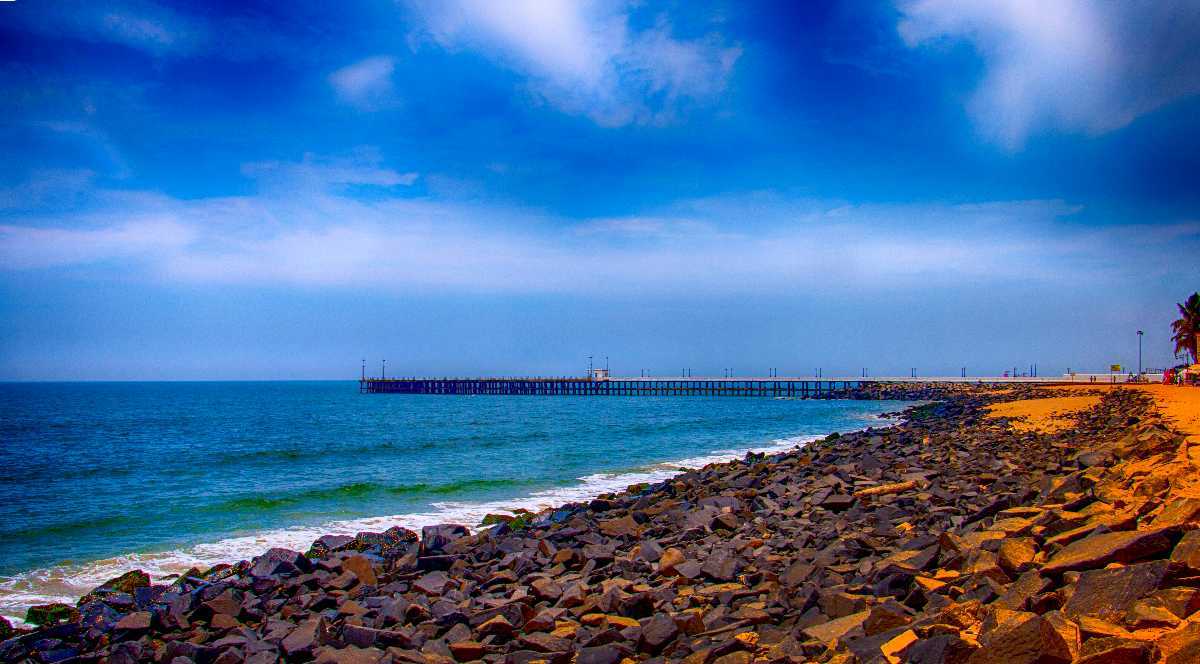
If you want to enjoy the grandeur of French culture but could not afford it, pay a visit to Pondicheery instead. It is an eclectic mix of French flavor, spirituality, and the best beaches around the country.
The UT is located 150 kilometers away from Chennai. The best way to visit is to fly to Chennai and then take a bus or train ride to Pondicherry.
It won’t take more than 4-5 hours for you to reach. Visit the extraordinary town of Auroville which is regarded as India’s only Utopian City.
3. Pulicat
Another place you can visit in a single day is Pulicat. Only 55 kilometers and less than 90 minutes of drive away from Chennai is the beautiful coastal town of Pulicat.
This is one of those lesser commercialized and talked-about destinations that will offer you both peace of mind and a chance to rewind after a chaotic week in the city’s chaos.
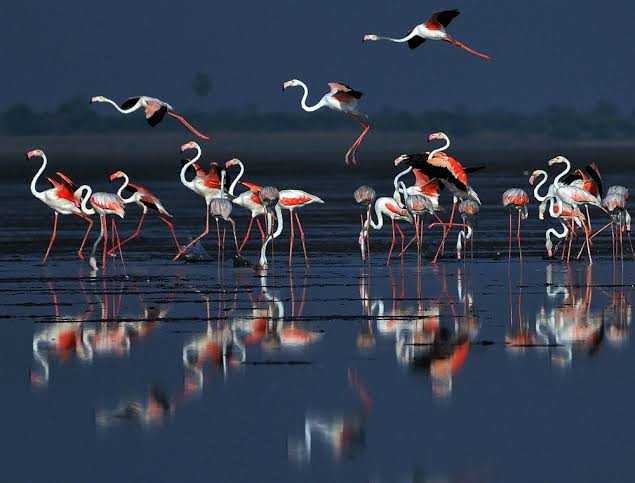
The place is ideal for wildlife lovers who love to spot birds and animals in their habitats. The best time to visit this town is from October to March.
4. Vellore
Located 130 kilometers away from Chennai, Vellore is a picturesque city in northeastern Tamil Nadu. Nicknamed as the ‘Fort City’ due to marvelous Vellore Fort this is in the heart of the city.
The city is situated on the banks of the river Palar Vellore and is an ideal place for a person who loves nature and wants to check out glimpses of Tamil Nadu’s heritage. The drive would take less than four hours to reach Vellore.

5. Yelagiri
Yelagiri offers a little contrasting experience than the other cities mentioned. It’s a hill station with green terraced plantations, valleys at the top of pristine lakes, and clouds that almost walk beside you.

The place is a heaven for nature and adventure lovers as it provides a lot of activities like Trekking, Rock Climbing, Paragliding, etc. the place can be best reached via road in approximately 4.5 hours. The climate is so pleasant that people can travel here any time of the year.
2026 source notes for weekend getaways from Chennai
The five weekend getaways from Chennai offer different ways to spend a break. These source notes, added on 1 November 2026, explain what distinguishes the destinations in the 2021 profiles. They provide background rather than new journey times or confirmation of visitor access.
Mahabalipuram: compare forms of architecture. UNESCO’s description of the monument group identifies Pallava sanctuaries from the seventh and eighth centuries. It distinguishes cave temples, monolithic temples carved from single rocks, large outdoor reliefs and structural temples. The archive’s general reference to monuments therefore covers several kinds of construction. A useful reading of this profile is to compare the cave sanctuaries and rathas with the Shore Temple, rather than treating every monument as an example of the same building method.
Pondicherry: a cultural break from Chennai. Puducherry Tourism’s visitor information describes separate French-heritage and Tamil-quarter walks. Its account of the Tamil streets highlights rows of tiled-roof buildings and the later combination of Tamil and French architectural features. That gives the profile a broader focus than its comparison with France suggests. Readers interested in streetscapes can use these two heritage areas as different subjects to investigate, looking at local building traditions alongside the colonial-era architecture.
Pulicat: distinguish a town from a lagoon. Tirupati district’s official description identifies Pulicat as a brackish-water lagoon extending across Andhra Pradesh and Tamil Nadu. It lists flamingos, painted storks, egrets, pelicans and other birds associated with the sanctuary. The wider lagoon and the town mentioned in this archive are not interchangeable points on a map. Before developing an itinerary, identify the particular shore or viewing location being discussed; a list of bird species is not a promise of sightings on a chosen day.
Vellore: a heritage visit from Chennai. The district’s fort guide describes granite construction and both secular and religious buildings within the complex, including a temple, mosque and church. Its Government Museum page places the museum inside the fort and identifies collections spanning archaeology, art, anthropology and natural history. These offer different ways to explore the heritage mentioned in the profile. Decide whether the main interest is the fort’s built fabric, its religious architecture or the subjects represented in the museum.
Yelagiri: read the hill setting as its own destination. Tirupathur district’s guide describes a winding ghat-road approach and identifies Punganur as an artificial lake. Those details give substance to the archive’s broad hill-station description: the approach, the upland landscape and the lake are distinct parts of the place. They do not confirm the availability of every adventure activity listed in the older paragraph. Use the district description to identify the setting, then ask the relevant provider about any specific activity before making plans.